1. Plan the approach
The crew decides how to enter, which rooms need decontamination and where waste will be staged. The plan keeps the job efficient and discreet.
Forest Hills, MI · Kent County
Is it safe to go back in? For biohazard remediation in Forest Hills, MI, call (877) 812-4220. The team cleans, disinfects and deodorizes, then walks you through what was done.
If anyone is in danger, call 911 first. For a suicide crisis, call or text 988.
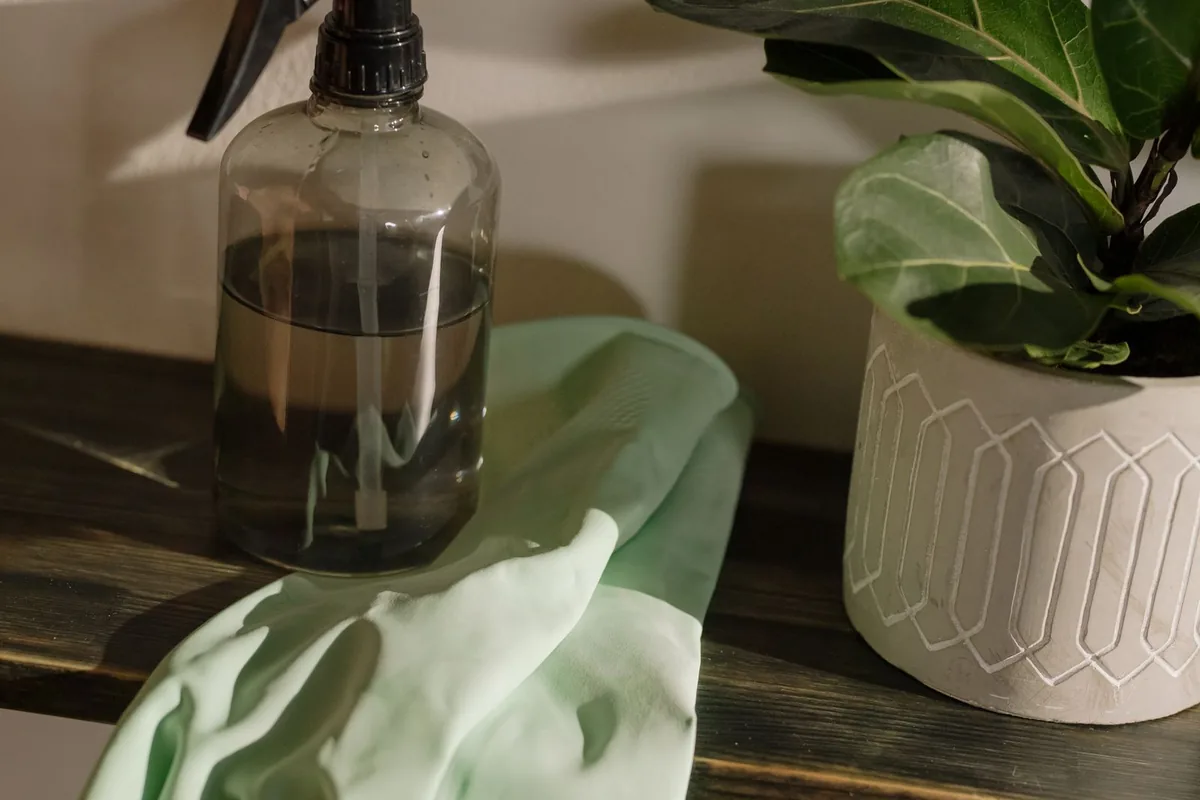
Biohazard remediation, sometimes called biological remediation or biological cleanup, is the full process of containing, removing and treating biological contamination. Decontamination is its finishing stage, where cleaned surfaces are disinfected and checked.
Owners in Forest Hills and Kent County can call Forest Hills Biohazard Cleanup Help to decontaminate rooms and vehicles after events that leave germs behind. You get a team that checks every treated surface before the job is called complete.
Homeowners dominate in Forest Hills, with renters at about 6% of households, and a homeowners policy is often the first place to check for coverage. The nearest emergency room, Spectrum Health in Grand Rapids, is about 9 miles from Forest Hills. Anyone with symptoms after exposure should seek medical care first, then set up decontamination.
A typical biohazard decontamination job includes:
The crew decides how to enter, which rooms need decontamination and where waste will be staged. The plan keeps the job efficient and discreet.
The team arrives in an unmarked vehicle, suits up at the door and isolates the area. Neighbors have no reason to notice.
Visible material and items that cannot be saved are removed and sealed. Every surface is then cleaned with detergent, because residue shields germs from disinfectant.
Disinfectant goes on every cleaned surface, and odor is treated at its source. The team walks the owner through the finished space and the records.
Expect biohazard decontamination in Forest Hills, MI to cost roughly $1,000 to $15,000, with the final price set after an on-site assessment.
Waste handling is part of every job. Regulated medical waste is packed, labeled and hauled differently from household trash, and those costs show up in the quote.
| Type of job | Typical range |
|---|---|
| Typical national range | $3,000 - $5,000 |
| Biohazard cleanup, published span | $1,000 - $15,000 |
| Residential average range | $1,800 - $4,500 |
Published ranges only (Fixr, Yelp Costs, Biohazard cleanup company pricing guide); every biohazard decontamination job in Forest Hills is priced after an on-site look. Price drivers include type of contamination, size of the space, surfaces affected, waste disposal. Questions? Call (877) 812-4220.
A biological hazard is any living organism or material from one that can harm health. Examples are bacteria, viruses, mold, blood, bodily fluids, sewage and animal waste. Chemicals and radiation are a different type of hazard.
A good team inspects every treated surface, treats leftover odors and explains what it did. Some teams add swab tests. Ask what the final check includes and ask for a record of the work. Testing rules vary by place.
Sometimes, but often not. Porous materials soak up fluids, and germs can remain deep inside where disinfectant cannot reach. The team looks at each item and explains which can be saved. Items that cannot be cleaned are removed, sealed and hauled away.
It does when the source is removed. Smells from sewage, fluids or decay live in porous materials and subfloors, so crews take those out and treat the air. Air fresheners cover a smell for only a short time.
A small area with hard surfaces can take a few hours. Larger or more complicated spaces, heavy odor or many porous items take longer. The crew can offer a better timeline after seeing the site.
Biohazard remediation is the full process of containing, removing and treating biological contamination. Decontamination is the last stage, where surfaces are disinfected and checked. Many companies use the two terms for the same job.
Describe the contamination by phone and the crew explains how it would be treated.
Call (877) 812-4220